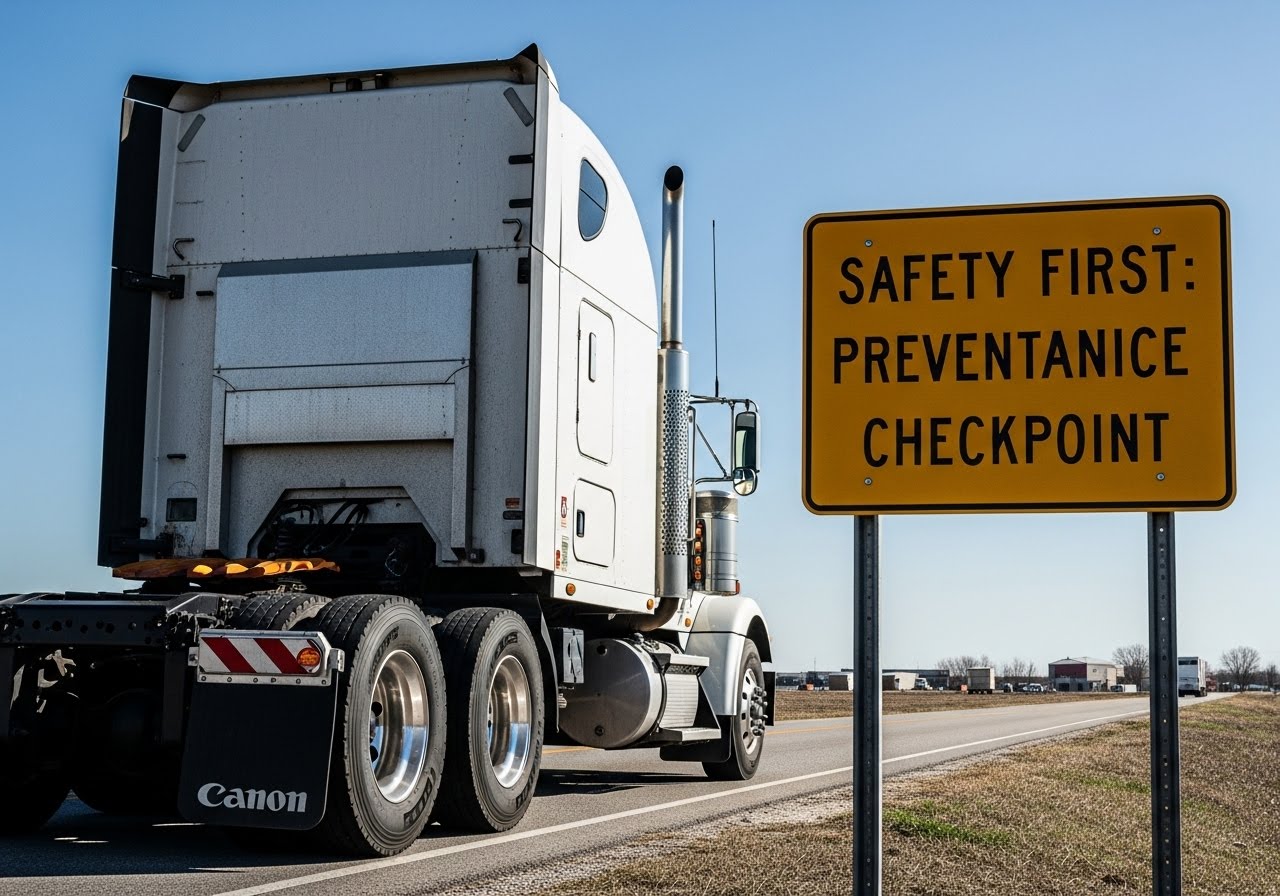
Hotshot trucking—using medium-duty trucks and specialized trailers to haul time-sensitive freight—has grown in popularity as a flexible, lower-barrier entry point into the trucking industry. However, hotshot haulers face unique insurance challenges that require specialized coverage tailored to their operations.
What Is Hotshot Trucking?
Hotshot trucking typically involves hauling smaller, urgent loads using dually pickup trucks (often 1-ton trucks) pulling gooseneck or flatbed trailers. Common cargo includes construction equipment, oilfield materials, automotive parts, and other time-sensitive freight. Hotshot operators often fill gaps in traditional long-haul trucking by offering faster delivery and more flexible scheduling.
Essential Insurance Coverage for Hotshot Truckers
1. Primary Liability Insurance
FMCSA requires hotshot operators with a DOT number to carry minimum liability coverage. For most freight, the minimum is $750,000, though many brokers and shippers require $1 million. This coverage protects you if you cause an accident that injures others or damages their property.
2. Motor Truck Cargo Insurance
Cargo insurance is critical for hotshot haulers. Because hotshot loads vary widely—from construction materials to heavy equipment—flexible cargo coverage with adequate limits (typically $100,000 to $250,000) is essential. Many shippers won't book loads without proof of cargo coverage.
3. Physical Damage Coverage
Your truck and trailer represent significant investments. Physical damage coverage protects against collision, fire, theft, vandalism, and other covered perils. If you're financing your equipment, lenders will require this coverage.
4. Non-Owned Trailer Coverage
Hotshot drivers often pull trailers they don't own. Non-owned trailer coverage protects you if a borrowed or rented trailer is damaged while in your possession.
5. Occupational Accident Insurance
As an independent hotshot operator, you don't qualify for workers' compensation. Occupational accident insurance provides income replacement and medical coverage if you're injured on the job.
6. Optional Roadside Assistance
Breakdowns can be costly and time-consuming. Roadside assistance coverage helps with towing, tire changes, fuel delivery, and other emergency services.
Unique Challenges for Hotshot Insurance
Variable Cargo Types
Hotshot haulers often carry diverse loads, making it essential to have cargo coverage that's flexible enough to handle everything from machinery to general freight. Make sure your policy doesn't have exclusions that could leave you exposed.
Higher Mileage and Wear
Hotshot trucks often cover significant mileage quickly, leading to faster depreciation and higher maintenance costs. Keep detailed maintenance records to demonstrate responsible equipment management to insurers.
Interstate vs. Intrastate Operations
If you operate across state lines, you'll need to meet FMCSA interstate authority requirements and file appropriate insurance endorsements (MCS-90). Intrastate-only operators may have different requirements based on state regulations.
How to Reduce Hotshot Insurance Costs
- Maintain a clean driving record: Avoid violations and accidents to keep premiums low
- Install safety technology: Dash cams and GPS tracking can earn discounts
- Choose higher deductibles: If you can afford the out-of-pocket cost, higher deductibles reduce premiums
- Bundle coverages: Many insurers offer discounts when you package liability, cargo, and physical damage together
- Shop around: Work with a broker who specializes in hotshot trucking to find competitive rates
Choosing the Right Hotshot Insurance Provider
Not all insurers understand hotshot operations. Look for insurers or brokers who:
- Specialize in trucking, particularly hotshot and pickup/gooseneck operations
- Offer flexible cargo coverage for diverse freight types
- Provide competitive rates for medium-duty trucks and trailers
- Have experience with FMCSA filings and DOT compliance
Final Thoughts
Hotshot trucking offers flexibility and opportunity, but it requires specialized insurance to protect your business properly. Make sure you have adequate liability, cargo, and physical damage coverage, and work with an insurance professional who understands the unique risks of hotshot operations. With the right coverage in place, you can focus on hauling freight and growing your business.
Need hotshot trucking insurance?
Guild Road Insurance Agency LLC offers specialized insurance for hotshot operators. Get a quote tailored to your equipment and hauling needs.
Get a Quote