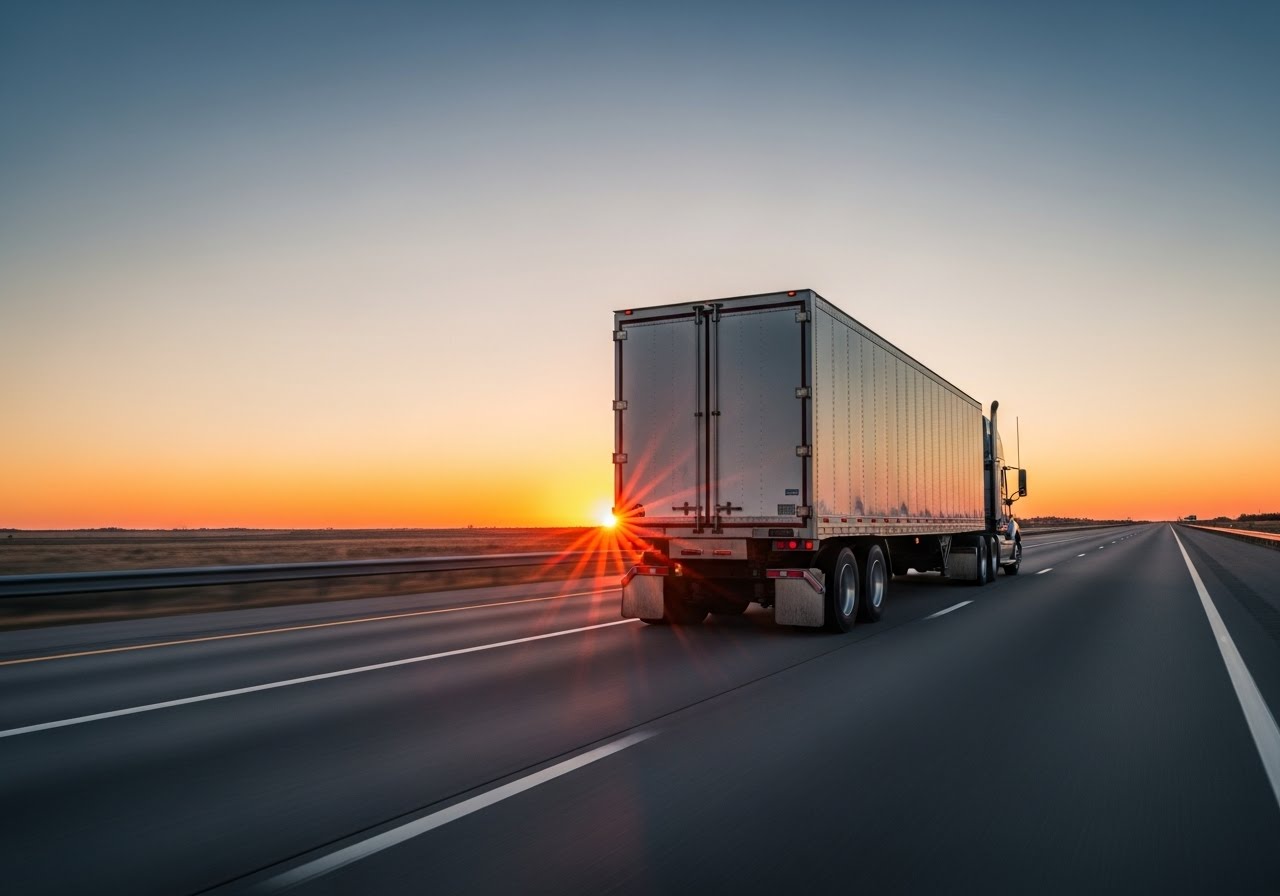
As an owner-operator, your truck is both your livelihood and your biggest investment. Choosing the right insurance coverage protects not only your equipment but also your income, personal assets, and ability to stay on the road. Unlike company drivers who are covered under their employer's policies, owner-operators must navigate insurance decisions on their own—and the stakes are high.
Understanding Your Insurance Needs
Owner-operators face unique risks that require specialized coverage. Whether you're leased to a carrier or operating under your own authority, understanding the types of insurance you need is the first step toward comprehensive protection.
Essential Coverage Types for Owner-Operators
1. Primary Liability Insurance
If you operate under your own authority, you're required by FMCSA to carry minimum liability coverage (typically $750,000 to $1 million depending on your cargo). This coverage protects you if you cause an accident that injures others or damages their property. Without it, you cannot legally operate.
If you're leased to a carrier, the carrier's liability policy usually covers you while under dispatch. However, you'll still need non-trucking liability (bobtail insurance) for times when you're not hauling freight.
2. Physical Damage Coverage
Physical damage insurance covers repairs or replacement of your truck and trailer due to accidents, theft, fire, vandalism, and other covered perils. This coverage typically includes:
- Collision: Covers damage from accidents, regardless of fault
- Comprehensive: Covers non-collision events like theft, fire, weather damage, and vandalism
If you financed your truck, your lender will require physical damage coverage until the loan is paid off. Even if you own your truck outright, this coverage protects your investment and ensures you can get back on the road quickly after a loss.
3. Motor Truck Cargo Insurance
Cargo insurance covers the freight you're hauling in case of damage, loss, or theft during transit. Most brokers and shippers require proof of cargo coverage before offering loads. Coverage limits typically range from $100,000 to $250,000, though high-value cargo may require higher limits.
4. Non-Trucking Liability (Bobtail Insurance)
If you're leased to a carrier, non-trucking liability covers you when operating your truck for personal use or without a load under dispatch. This fills the gap when your carrier's insurance doesn't apply, such as driving to a repair shop or home after dropping a trailer.
5. Occupational Accident Insurance
Owner-operators don't qualify for workers' compensation, so occupational accident insurance provides income replacement and medical coverage if you're injured on the job. This coverage is often overlooked but can be critical if you're unable to work due to an accident.
Leased vs. Independent: What's the Difference?
Leased Owner-Operators
If you're leased to a carrier, they typically provide primary liability and cargo coverage while you're under dispatch. You're responsible for:
- Physical damage insurance for your truck and trailer
- Non-trucking liability (bobtail)
- Occupational accident insurance
Independent Owner-Operators
If you operate under your own authority, you're responsible for all insurance coverages, including primary liability, cargo, physical damage, and any optional coverages. This gives you more control but also more financial responsibility.
How to Choose the Right Insurance
1. Assess Your Risk Exposure
Consider the value of your equipment, the types of cargo you haul, your operating lanes, and your claims history. Higher-risk operations (e.g., hauling hazmat or operating in high-theft areas) may require additional coverage.
2. Compare Quotes from Multiple Insurers
Don't settle for the first quote you receive. Work with an insurance broker who specializes in trucking and can shop multiple carriers on your behalf. Compare not just premiums but also coverage limits, deductibles, and exclusions.
3. Understand Deductibles and Exclusions
Higher deductibles lower your premiums but mean you'll pay more out of pocket in a claim. Read your policy carefully to understand what's covered and what's excluded.
4. Work with a Specialized Broker
Trucking insurance is complex, and working with a broker who understands the industry ensures you get the right coverage at competitive rates. They can also help you navigate claims and policy changes as your business grows.
Final Thoughts
Choosing the right insurance as an owner-operator is one of the most important business decisions you'll make. The right coverage protects your investment, keeps you compliant, and gives you peace of mind on the road. Take the time to understand your options, compare quotes, and work with professionals who specialize in trucking insurance.
Need help finding the right owner-operator insurance?
Guild Road Insurance Agency LLC specializes in insurance for owner-operators, whether you're leased or independent. Get a personalized quote today.
Get a Quote